How Many Years Can an E-Bike Work?
Electric bikes’ longevity is predominantly determined by the electric bike components and their life expectancy. An e-bike’s lifespans over time are dictated by the quality and specifications of the major component parts (battery, motor, controller, frame, wire, tires, brakes, and suspension).
OKLA Electric Bikes are the choice of many e-bike riders versus imported brands because they tolerate the extreme conditions caused by atmospheric effects on the environment in Pakistan (such as bad roads, a humid atmosphere, voltage fluctuations, and numerous power failures); thus, OKLA Electric Bikes will typically outlast the life expectancy of other, low-cost imported electric bike brands.
In this article, we’ll discuss how to determine the lifespan of your electric bike, what each component’s lifespan is, and how OKLA’s e-bikes will provide you with the best quality e-bike for ultimate longevity.
Overall Lifespan of Electric Bikes
If an electric bike is maintained at an average level, it will last anywhere from seven to ten years, depending on the style and intensity of use. Based on the current environmental factors affecting the country of Pakistan, electric bike lifespans have an overall life expectancy of approximately 5-8 years. However, the longevity of an e-bike battery will range from 2-3 years, depending on its use and maintenance.
Some premium brands, such as OKLA Electric Bikes, make products specifically designed for their local environment and road conditions. OKLA is among the most popular e-bike brands due to the quality of its parts and how they compare to local conditions that cause premature breakdown of inferior e-bike brands. Generally speaking, e-bike batteries will only last three to five years, depending on several factors, such as:
What determines the life of an electric bike?
- Battery quality & charging habits
- Motor durability
- Daily load
- Weather exposure
- Maintenance schedule
- Spare parts availability
- Build quality of frame, tyres, brakes, and wiring
Electric Bike Battery Quality & How to Charge Them
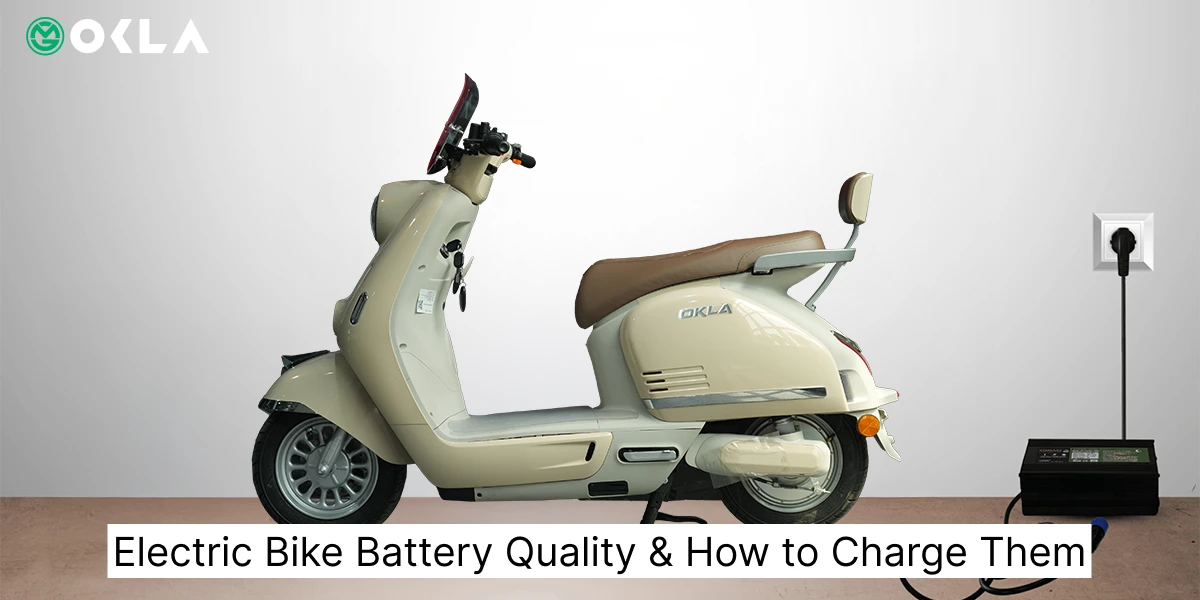
Lithium-ion e-bike batteries are usually good for three to five years, or between six hundred and one thousand charges, with many high-end brands offering even longer battery lives as a result of innovative BMS technology to protect their e-bike batteries from over-charging; however, e-bike batteries will fail sooner if there are frequent interruptions due to dropping the load when riding an e-bike, as opposed to powering the e-bike and charging the battery.
How to Help Your E-Bike Battery Last Longer:
- Always use the manufacturer’s charger.
- Do not charge during severe voltage fluctuations.
- Try to keep your battery between 20 and 80 percent charge levels.
- Store your e-bike in a shaded area, particularly during the extremely hot months of the year.
- Whenever possible, ride your e-bike using the pedal assist mode.
E-Bike Motor Lifecycle
Many of the more durable brands of e-bikes, such as OKLA, use hub motors that require minimal maintenance and will offer years of service before any major repair work will be needed. The hub motor should last between 5 to 10 years with proper use and care.
OKLA bikes are designed with robust components that enable them to perform under the demanding conditions of Pakistan. This includes robust hubs and other components designed to withstand the extreme heat, steep hills, and the heavy loads common to areas of Pakistan.
The following factors can negatively impact the life of the motor:
- Excessive weight load (2-3 passengers riding together)
- Constant use of the throttle
- Extreme heat (hot weather conditions)
- Using low-quality wiring and controllers
The controller is the component of the e-bike that controls the flow of electricity from the battery to the motor. In areas where load shedding and voltage spike issues are common, low-quality controllers frequently fail early in their life.
How OKLA Provides Additional Protection
- Protection from surges
- Heat-resistant cables
- Waterproof connectors
- The lifespan of a controller is about 5-6 years.
Weather Conditions Impacting E-Bike Durability in Pakistan
The weather conditions in Pakistan (high temperatures, moisture, humidity, and dust) all have a direct effect on the lifespan of the e-bikes.
| Weather Conditions | Impact |
|---|---|
| Heat | This will damage e-bike batteries and reduce the efficiency of the motor. |
| Rain and humidity | This will create rust and corrosion or short-circuiting in e-bikes (especially if poorly sealed). |
| Dust | It enters brake systems, suspension systems, and other moving parts, creating premature wear. |
The unique design features of OKLA e-bikes include:
Weather-Proof Seals: Protecting against moisture and dust
Heat-Resistant Construction: Helps prevent heat damage.
Rust-Proof Coating: Protects against rust and corrosion, making OKLA e-bikes a great choice for cities such as Karachi, Multan, Lahore, and Quetta
E-Bike Frame & Structural Lifespan
The structural integrity of the e-bike’s frame is a critical factor in the lifespan of an e-bike. If an e-bike’s frame is strong enough, the e-bike can remain structurally sound for an extended period. Most steel or alloy frames offer approximately 10-15 years of life if not subjected to an accident.
OKLA also designs its frames to be heavy-duty and able to withstand the rigors of Pakistan, including daily use, traveling on rough roads, carrying heavier loads, and impacts from potholes. Consequently, compared to lightweight, imported e-bikes, they will be more durable.
Most, if not all, e-bike manufacturers will require periodic replacement of the tires, brakes, chains, and suspension components.
Tyres, Brakes, Chain & Suspension Lifespan
The roads of Karachi, Lahore, and Peshawar are riddled with potholes and baked by extreme heat; therefore, the tyres, brakes, chain & suspension are often not replaced at all. Below are the expected lifespans of the various components.
Brakes
- Disc brakes are usually replaced after 1-2 years
- Brake pads will generally be replaced after 6-12 months
Chain & Sprockets
- The lifespan of the chain & sprockets is typically 1-2 years, depending on the riding conditions.
Suspension
- The apparent lifespan of suspension is 3-5 years; however, regular suspension servicing can extend the life.
Maintenance Schedules Increase E-Bike Longevity
By observing the following maintenance schedules for e-bikes, the e-bike user can maximize the life of the E-Bike:
| Time Period | Task 1 | Task 2 |
|---|---|---|
| Daily | Avoid overloading the e-bike with excessive weight | Use pedal assist mode when climbing hills or long-distance riding |
| Monthly | Check the air pressure in the tyres | Make any necessary adjustments to the brakes |
| 6 Months | Have a full service done | Lubricate the chain |
| 12 Months | Inspect the controller | Test the battery for efficiency |
If you maintain your e-bike properly, your OKLA e-bike will last 8-10 years!
FYI: To ensure the longevity of E-Bikes, riders are advised to follow a routine maintenance schedule.
Why OKLA E-Bikes Last Longer Than Most Brands
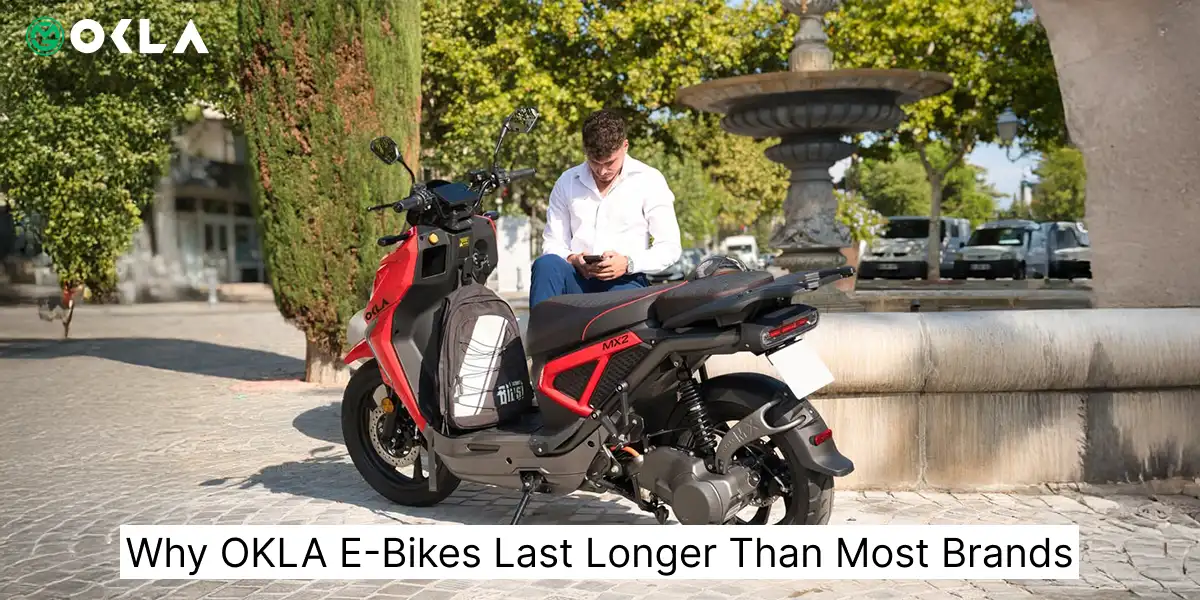
OKLA E-Bikes have been designed for use under the conditions experienced by riders in Pakistan, and that is why many people prefer to buy an OKLA E-Bike. This is how they elevate the bikes that distinguish them from other e-bike brands:
- High-Capacity Lithium-Ion Batteries
- Charger with Voltage Protection
- Hub Motor with Heat Resistance
- Reinforced Frame for Off-Road Riding
- Heavy-Duty Suspension
- Spare Parts are Readily Available
- Affordable Maintenance and Service
OKLA’s e-Bikes are built to last, making them the only choice for anyone looking for a quality e-Bike in Pakistan.
Frequently Asked Questions (FAQs) about E-Bikes and Their Lifespans
Q1. How long will an electric bike last for regular use?
- A good quality e-bike can last between 5-10 years, based on the company you purchase it from and how well you maintain it. OKLA’s e-bikes will usually last between 8-10 years due to the superior component quality.
Q2. Can e-bikes outlast gas (petrol) powered bikes in Pakistan?
- Yes, e-bikes typically Last Longer than petrol bikes because e-bikes Have Fewer Moving Parts and Require Less Maintenance.
Q3. What has the greatest impact on the durability of an electric bike’s life span?
- The quality of the battery, the durability of the motor, weather conditions within Pakistan, the amount of weight that is carried on it, how and how often the EbiKe is charged, and the stability of the voltage.
Q4. When do electric bike batteries need to be replaced?
- Electric bike batteries need to be replaced every 3-5 years based on cycles and patterns of charging.
Q5. How long can e-bike motors last?
- The typical life expectancy for the average electric bike hub motor is between 5 to 10 years when it is a sealed unit like OKLA’S.
Q6. Can an electric bike last for 10 years?
- Absolutely! High-quality electric bicycles like OKLA have a life expectancy of a decade with the proper care and maintenance.
Q7. How do heat and weather affect e-bike life expectancy?
Heat affects the battery, while high humidity impacts the wiring and connectors of an E-Bike. Weatherproof E-Bikes will generally outlast non-weatherproof units.
Q8. How long do tyres, brakes, and chains last?
The lifespan of e-bike tyres, brake pads, and chains is:
- i) Tyres:5 – 3 years
- ii) Brake Pads: 6 – 12 months
- c) Chain: 1 – 2 years
Q9. What is the quickest way to shorten an e-bike’s lifespan?
Overloading, aggressive riding styles, low-grade chargers, voltage surges, and a lack of maintenance can greatly reduce an eBike’s lifespan.
Q10. What are some ways to best extend the lifespan of e-bikes that are used every day?
Using proper charging habits, avoiding overloading, regularly cleaning, keeping your tires inflated properly, and servicing your eBike every six months are all excellent ways to extend an e-bike’s overall lifespan.