Finding the best electric scooter in Pakistan starts with understanding what you need from your daily ride. Design matters, but so do comfort, battery suitability, after-sales support and a convenient place to get help.
OKLA Pakistan brings these priorities together with unique and trendy designs, a wide range of electric bike models, multiple colour options and a focus on after-sales service. Whether you are exploring your first electric scooter or planning to upgrade, OKLA gives you different models to compare before you decide.
In this guide, discover why OKLA deserves a place on your shortlist, explore OKLA Orbit, OKLA OKG and OKLA Ovega, and find out where to buy an OKLA electric bike or book a test ride.
What Makes the Best Electric Scooter in Pakistan?
The best electric scooter is one that suits your route, budget and riding needs—and comes with dependable ownership support.
Before choosing a model, compare these essentials:
| What to check | Why it matters |
|---|---|
| Daily travel distance | Your chosen battery and variant should comfortably cover your usual journeys. |
| Charging arrangements | Check where you can charge and how charging fits into your routine. |
| Riding comfort | Seat height, riding position and handling should feel right for you. |
| After-sales support | Understand where to go for servicing, questions and warranty assistance. |
| Design and colours | Choose a model you enjoy riding and feel comfortable using every day. |
| Total ownership cost | Consider the purchase price, electricity, maintenance and future battery replacement. |
A test ride helps you move beyond pictures and specifications. It gives you a better idea of how a scooter feels before you buy it.
Why Choose OKLA Pakistan as Your Electric Scooter Brand?
For riders searching for the best electric scooter brand in Pakistan, OKLA offers a combination worth exploring: distinctive designs, model variety, colour choices and after-sales care.
Here is what makes the brand stand out.
1. A Focus on After-Sales Service
Your experience with an electric scooter continues long after the purchase.
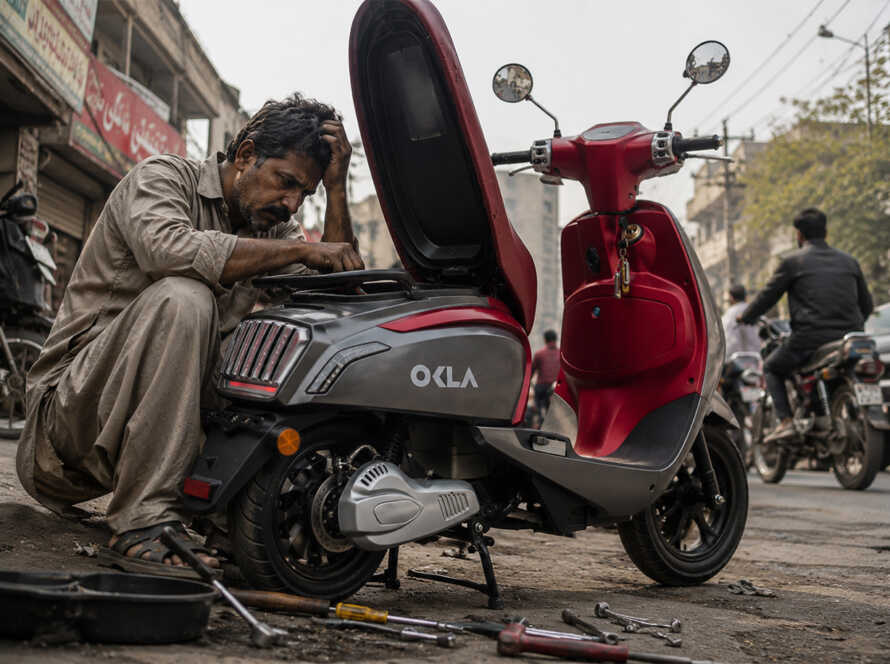
OKLA places after-sales care at the centre of its brand offering. When comparing models, speak with the team about servicing, warranty coverage, battery care and the support available in your city.
Knowing whom to contact—and where to take your bike when it needs attention—helps you make a more confident purchase.
2. Unique and Trendy Designs
Your daily ride should match your personal style.
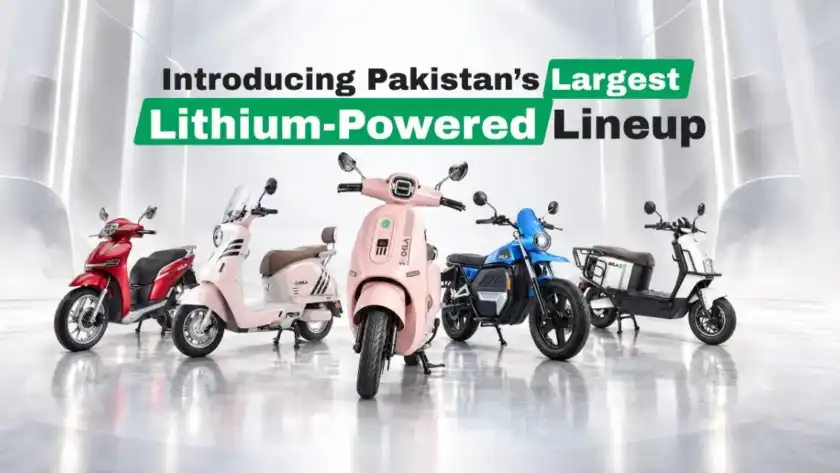
OKLA’s design-led range gives riders different looks to explore, from everyday scooter styling to a more pronounced motorcycle appearance. Rather than choosing only from a photo, visit an experience centre to see the proportions, finish and riding position in person.
3. A Wide Range of Electric Bike Models
Different riders need different things. A student’s daily route may be very different from an office commuter’s journey or a rider looking for a more performance-focused model.
OKLA’s broad range lets you compare options within one brand. Start with Orbit, OKG and Ovega, then explore the wider range to find a suitable match.
4. Multiple Colour Options
Colour is part of choosing a bike that feels like yours.
OKLA offers multiple colour options across its range. Ask your nearest centre or dealer which colours are available for your preferred model and variant before placing an order.
5. Opportunities to Explore Before You Buy
Seeing a model in person makes it easier to compare seating, controls and overall size.
OKLA’s experience centres and official dealer network provide places to ask questions and explore your options. You can also request a test ride through the official website.
Explore the OKLA Electric Bike Range
Searching for an OKLA electric bike? These three models are useful starting points. They represent different styles within the range, so compare the actual variant rather than assuming every model offers the same riding experience.
OKLA Orbit
The OKLA Orbit is a starting point for buyers exploring an everyday electric scooter. Review its current battery options, dimensions and charging requirements, then check how well the seating and controls suit you.
If your main priority is a practical daily ride, include Orbit in your test-ride shortlist.
OKLA OKG
The OKLA OKG is an electric motorcycle option for riders interested in a different body style from a conventional scooter.
Compare its riding position, weight, battery configuration and handling with your everyday needs. A test ride can help you decide which format feels more comfortable.
OKLA Ovega
The OKLA Ovega is an option to explore if you are interested in a sportier, performance-focused electric bike.
Before choosing, discuss the current variant’s specifications, charging needs and suitability for your intended route with the OKLA team.
Prices, specifications, colours and stock can vary by model and variant. Confirm the details of the exact bike you plan to purchase.
How to Choose the Right OKLA Model
Start With Your Daily Route
Calculate your usual return journey, including extra stops. Tell the OKLA team about the distance, road conditions and whether you normally ride with a passenger.
Ask which variant suits that use and what can affect its real-world range.
Check Charging Before Buying
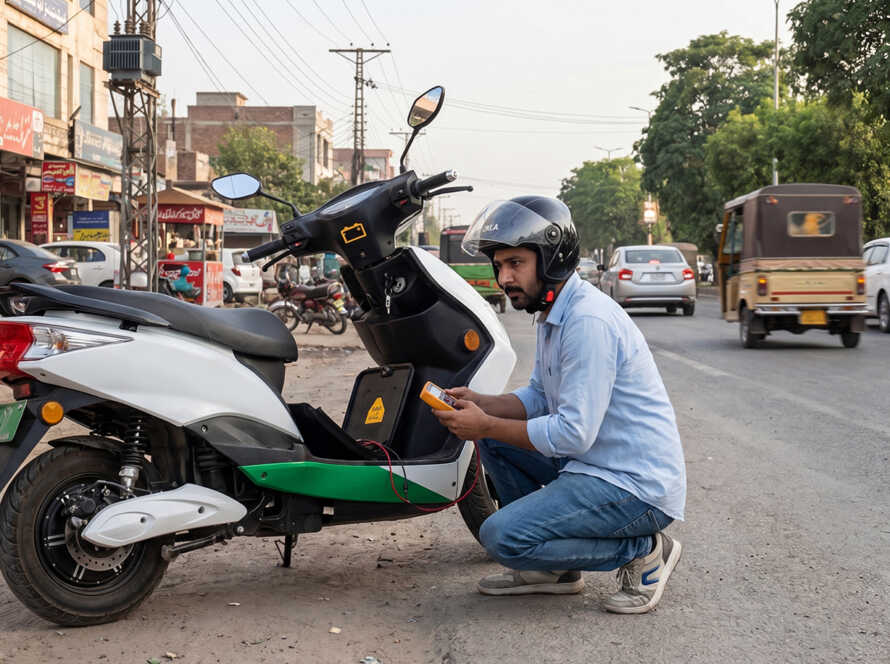
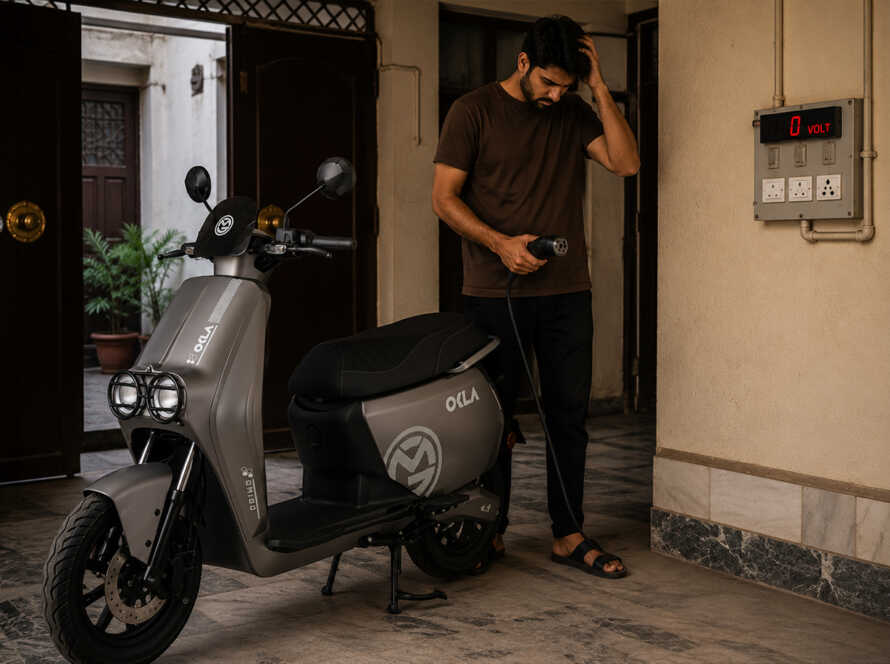
Discuss the charger, charging time and electrical requirements for your selected model. Follow the model’s charging instructions and confirm that your planned charging location is suitable.
Compare the Complete Cost
Ask for a clear quotation covering the bike, included accessories and any additional charges. Also ask about routine servicing, warranty terms and future battery replacement.
This gives you a more useful comparison than the advertised purchase price alone.
Take a Test Ride
During your test ride, pay attention to:
- Whether your feet and hands reach the controls comfortably.
- How the bike feels when starting, stopping and turning.
- Seat comfort and your riding posture.
- How confidently you can manage its weight.
- Whether the model feels suitable for your usual journeys.
The right choice should suit your routine as well as your preferences.
Where Can You Buy OKLA in Pakistan?
You can explore purchase options through OKLA experience centres and official dealerships.
Use the OKLA experience centre and dealer locator to find a nearby location. Contact the location before visiting to confirm opening hours, model availability and test-ride arrangements.
OKLA Experience Centre Locations
| City / area | Address |
|---|---|
| Lahore — DHA | 127-A, Broadway Commercial, DHA Phase 8, Lahore |
| Lahore — Bahria Town | 232/1, Go2, Tulip Block, Sector C, Bahria Town, Lahore |
| Islamabad | Plaza #9, Street A-62, Tulip Road, Sector A, DHA Phase II, Islamabad |
| Karachi | Opposite FTC, Sindhi Muslim Cooperative Housing Society, Main Shahrah-e-Faisal, Karachi |
| Multan | Near Chase-up, Bosan Road, Multan |
Selected OKLA Dealership Locations
| City | Dealer | Location |
|---|---|---|
| Lahore | Rana EV’s | 125 Shalimar Link Road, Mughal Pura |
| Faisalabad | OKLA Faisalabad | Kashmir Pull Underpass, Chak 208 Road |
| Sialkot | OKLA Sialkot | Kachehri Road, Mohalla Water Works |
| Islamabad | EVB | G9, Rohtas Road |
| Rawalpindi | EVB | Bahria Business District, Phase 8, Bahria Town |
| Multan | OKLA Multan | Vehari Road, New Mumtazabad Colony |
For other cities and the latest contact information, check the complete official dealer directory.
Book an OKLA Test Drive
Ready to experience an OKLA electric bike?
- Open the OKLA test-drive booking page.
- Complete the requested details and submit your enquiry.
- Confirm your preferred model, location and appointment with the team.
- Visit at the agreed time to explore the bike and ask your questions.
Use the visit to discuss charging, warranty coverage, available colours, current prices and after-sales support.
Frequently Asked Questions
Which is the best electric scooter in Pakistan?
The best electric scooter in Pakistan depends on your budget, daily distance, charging arrangements and comfort. OKLA is a strong option to explore if you value distinctive designs, model variety, colour choices and after-sales support. Compare suitable variants and take a test ride before deciding.
Why should I consider OKLA Pakistan as my electric scooter brand?
OKLA Pakistan combines a broad electric bike range with trendy designs, multiple colour options and a focus on after-sales care. Its experience centres and official dealerships also give buyers places to explore models and ask questions before purchasing.
Which OKLA electric bike should I choose?
Start by comparing OKLA Orbit, OKG and Ovega with your daily travel needs. They offer different styles within the range. Ask the team to explain the current variants and arrange a test ride of the models that suit your requirements.
What is the price of an OKLA electric scooter in Pakistan?
The price depends on the model, battery option and variant. Visit the relevant official product page or contact an authorised dealer for a current quotation and confirmation of what is included.
Does OKLA offer after-sales support?
After-sales support is one of OKLA’s stated brand priorities. Before buying, ask your dealer about the service process, warranty terms and assistance available for your selected model in your city.
Are OKLA electric bikes available in different colours?
OKLA offers multiple colour options across its range. Available colours depend on the model and stock, so confirm your preferred option with the centre or dealer.
Where can I buy an OKLA electric bike?
You can explore OKLA electric bikes through its experience centres and official dealerships. Use the official locator to find a nearby sales location and confirm stock before visiting.
How do I book an OKLA test ride?
Submit an enquiry through the official OKLA test-drive page. Confirm the model, location and appointment details with the team before travelling.
How far can an OKLA electric bike travel on one charge?
Range depends on the model and battery variant, as well as riding conditions, speed and load. Check the specifications for the exact variant and ask how they relate to your daily route.
How long does an OKLA electric bike take to charge?
Charging time varies by battery and charger. Confirm the charging time and recommended procedure for your chosen model with OKLA before purchasing.
Find Your Best Electric Scooter With OKLA Pakistan
Choosing the best electric scooter in Pakistan means finding a ride that fits your life.
With its unique designs, wide model range, multiple colour options and emphasis on after-sales care, OKLA Pakistan is a strong choice for riders exploring electric mobility.
Discover the OKLA Orbit, compare the OKLA OKG, or explore the OKLA Ovega.
Find your nearest OKLA location and book a test ride to choose your next ride with confidence.