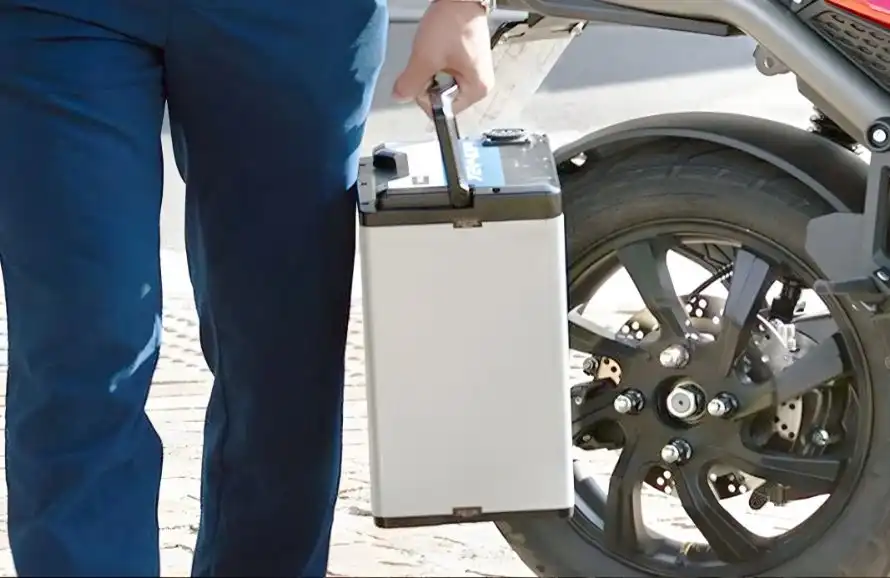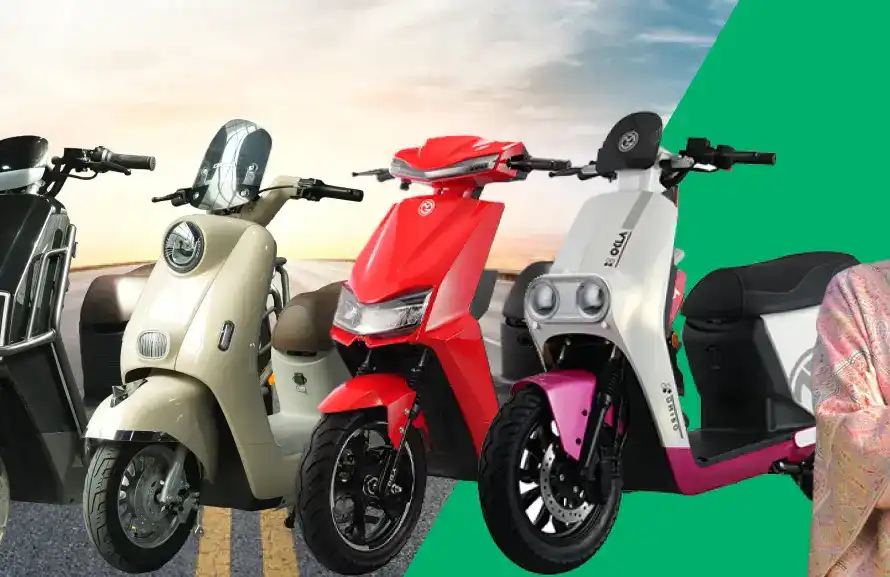
With the rapid growth of e-bikes (electric bikes) as an alternative means of transportation in Pakistan, particularly in metropolitan cities such as Karachi, Lahore, Islamabad, Faisalabad, and Peshawar, the need for a more eco-friendly and cost-effective alternative to fuel-based transportation has increased. As fuel prices continue to increase worldwide, electric bikes are now becoming one of the most economical options. The core of every electric bike is the battery, and due to the large number of unsafe batteries being used by many electric bike manufacturers, many cases of e-bike fires, battery short circuit issues, and thermal runaway incidents have occurred around the globe.
This comprehensive e-bike battery safety guide provides you with all the necessary information on e-bike battery safety in Pakistan, how to identify batteries that are certified, how to avoid low-cost or counterfeit imported batteries, and how to purchase safe e-bike battery options from manufacturers or platforms like OKLA Pakistan that provide quality-checked and certified e-bike batteries.
You will learn the various battery certifications, i.e., UL 2849, CE, and IEC 62133, the types of batteries, i.e., Lithium-ion and LFP (lithium iron phosphate), and how to utilize real-life examples from some of the most reputable international brands, i.e., FENGQS, VIVI, and Gyroor, to help you choose from a product line of reputable electric bike manufacturers.
Importance of Battery Safety in Pakistan
The E-bike market in Pakistan is growing quickly, and with this growth comes an increased number of inexpensive, unregulated batteries. Many of these batteries are produced without an adequate Battery Management System (BMS), utilise recycled materials, and are constructed with flimsy materials that cannot survive heat and shock.
This significantly increases the likelihood of:
- Overheating
- Battery leakage
- Bulging or swelling
- Short circuits
- Thermal runaway causing fire
To ensure that all riders have access to safe e-bike batteries meeting international safety standards and long-term reliability, OKLA Pakistan strives to provide quality batteries for all riders.
Battery Types Used in E-Bikes in Pakistan
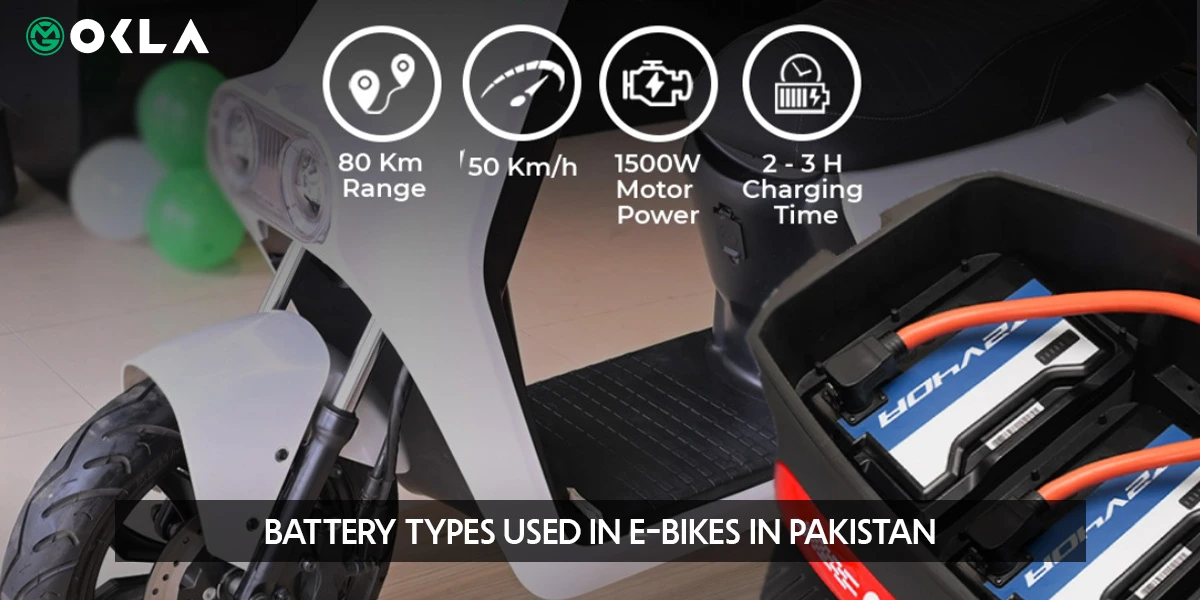
The first step in assuring your battery’s safety is to understand what type of battery chemistry you are using:
1) Lithium-ion Battery
The most widely used battery chemistry in Pakistan.
Pros:
- High energy density
- Lightweight
- Longer range
Cons:
- Higher likelihood of overheating due to using low-quality (cheap) batteries
- More sensitive to being charged improperly
2) LFP (Lithium Iron Phosphate) Battery
Rapidly gaining popularity due to their inherent safety characteristics.
Pros:
- Best thermal stability
- Lower chance of causing fires than Li-ion batteries
- Longer lifespan
- Resistance to heat is important during the hot summer months in Pakistan
Cons:
- A little heavier than Li-ion batteries.
- Lower energy density than Li-ion.
Recommendation:
To provide the highest level of safety, OKLA Pakistan recommends LFP batteries for all riders who make long trips and store their bikes in hot locations.
E-Bike Battery Certifications Matter
Before buying a new e-bike in Pakistan, ensure the e-bike you select has been certified with:
Certification | Function | Reason for this in Pakistan |
| UL 2849 | For the overall safety of the entire electrical system | Minimises the chance of fires/electricity failure |
| CE | Compliant with European safety standards | Identify products as non-counterfeits |
| IEC 62133 | Testing of Battery Cell Safety and BMS | Guarantees stable charge/discharge |
Tip:
If a seller cannot provide proof of at least IEC 62133 certification, walk away; this is a significant red flag.
With OKLA Pakistan, all battery listings specify whether they have been certified to meet the following certifications.
Battery Problems Found in E-Bikes from Pakistan
To summarize, the most common types of battery-related issues are either caused by poor manufacturing quality or failure to maintain batteries. The following are indications of potential battery failure:
- Swollen batteries
- Leakage
- Corrosion
- Excessive heat
- Burning odor
- Loose terminal connections
- Damaged casing
Any of the above are reasons you should stop using the battery immediately.
Real-World Case Studies – Learning from Other Brands
To demonstrate the importance of using a certified and quality-built battery, we’ll look at three well-known global brands.
1. FENGQS E-Bike Batteries
FENGQS manufactures high-quality Lithium-ion batteries and casings made from metal; they also use a very advanced BMS, which includes thermal protection and short circuit protection. Because their complete production line is certified to IEC 62133, they experience far fewer incidents of overheating than many low-cost generic manufacturers.
2. VIVI Electric Bicycles
VIVI is focused on maximizing battery lifespan by decreasing cycle times, which leads to less wear and tear through repetitive cycles.
A company’s approach to ensuring a long-lasting battery life is by incorporating balanced BMS systems that provide protection from overcharging. VIVI has manufactured batteries that also meet CE certification and has had numerous customer reviews indicating very low rates of battery failures. It is easy to see how important it is to have certification on batteries.
3. Gyroor
Gyroor is certified to the full UL 2849 standards, which include a complete system certification of the battery and the controllers, and the chargers. By having these full certifications, Gyroor reduces the likelihood of having thermal runaway and fire safety hazards. This should be used as a benchmark by any potential buyer in Pakistan to help them compare local brands to Gyroor.
E-Bike Battery Checklist
When you buy new batteries or maintain existing batteries, use the following checklist:
Visual Inspection
- No visible signs of leakage
- Corrosion should not be present at the terminals
- No cracks or dents in the case
- Connector Inspection
- Loose wires should not be present
- Burn marks should not be visible
- No rust should be present
Charging Inspection
- Batteries charge correctly, not too fast or too slow
- Chargers also do not overheat
- Chargers automatically turn off when batteries reach 100% charge
Certification Inspection
- UL 2849 certification should be the goal
- CE certificate
- IEC 62133 certificate
Brand Name and Warranty Inspection
- No “loose”/unbranded batteries should be purchased
- The warranty period should be at least 6 to 12 months
Only reputable dealers such as OKLA Pakistan should be considered for the purchase of batteries.
Choosing Safe E-Bike Batteries in Pakistan
When you’re buying from OKLA Pakistan or other trusted sellers, ask for:
Feature | Why It Matters |
| Certified battery cells | Prevents cell swell and thermal runaway |
| Intelligent battery management system (BMS) | Protects against short-circuit, overcharging, and overheating |
| Solid case | Reduces the risk of the battery being damaged on potholed Pakistani roads |
| Adequate warranty | Allows for long-term reliability |
| Product transparency | Reduces the potential for counterfeit products |
OKLA Pakistan lists all this information clearly on their product listings.
Battery Maintenance & Lifespan

With proper care, an e-bike battery can typically provide you with 2-5 years of battery usage.
To extend the battery lifespan, you should:
- Keep the battery’s charge between 20 and 80 per cent
- Never let the battery discharge completely
- Never place the battery in direct sunlight
- Never store a fully charged or a completely discharged battery
- Regularly clean the battery terminals
- Store your e-bike in a sheltered area when it rains or is extremely hot outside
Safety Tips for Charging Batteries (Due to Climate in Pakistan)
Due to the high temperature and humidity in Pakistan, it is essential to be aware of safety when charging batteries.
Best Practices When Charging Batteries
- Always use the original charger for your battery
- When charging, ensure that your area is dry and well-ventilated
- Do not charge batteries where curtains or beds may block the flow of air to the welcome
- Do not leave batteries charging unattended
- Never charge overnight
- Allow the battery to cool before charging
- Avoid very hot rooms (e.g. closed porches)
How to Safely Store Your E-Bike Battery(IMAGE)
The summer heat in Pakistan can exceed 45 °C and cause battery cell damage. The following methods
- Store your e-bike battery when it is between a 40-60% charge.
- Store your e-bike battery in a cool, dry area.
- Do not store your e-bike battery on a metal shelf (risk of a short-circuit if battery terminals touch).
- Never store your e-bike battery next to gas cylinders or heaters.
- If you park your e-bike outside during the monsoon, remove the e-bike battery.
Why Cheap or Counterfeit Batteries Are Hazardous
In Pakistan, it is common to find uncertified electric bike batteries on the streets of cities like Saddar, Hall Road, or small local shops. These uncertified or second-hand are likely to have:
- Recycling of parts
- No battery management system
- Cheap/delicate shells
- Fake labels
- Inferior wiring/connection points
This all dramatically increases the chance of thermal runaway, fire accident, and an unexpected failure of your battery.
Certified e-bike batteries are available through reputable retailers such as OKLA Pakistan and are safe, reliable, original, and certified.
Manufacturers’ Warranty:
A warranty period is an indication of the manufacturer’s confidence in their product quality.
OKLA Pakistan works with manufacturers that provide:
- 6 to 12-month warranty periods
- Replacement guarantees
- Verified Certificate of Compliance
- After-sales service and support
Do not purchase from sellers who will not provide warranties or certificates of compliance.
Conclusion:
There is an increase in the use of e-bikes in Pakistan and a significant increase in the amount of poor-quality batteries being imported into Pakistan. In order to remain safe and to avoid the risk of swelling, leaks, overheating, or fire, consumers should focus on battery safety and use suppliers such as OKLA Pakistan that sell certified batteries (UL 2849, CE, IEC 62133).
When charging your e-bike battery at home, always exercise good prudence by taking the battery safety checklist with you and selecting manufacturers with a proven track record of producing high-quality products, such as FENGQS, VIVI, and Gyroor.
Frequently Asked Questions (FAQs)
Q1. How do I know whether an e-bike battery is safe and certified?
Ask for documentation of certifications that show UL 2849, CE, or IEC 62133. Visually check the battery for swelling, cracks, or leakage. You will also want to determine if it has a proper BMS for safety. Purchasing from reputable retailers such as OKLA Pakistan will help to minimize your risk.
Q2. What certifications should an electric eike battery have?
UL 2849, CE, and IEC 62133 are the most important certification references. These references show the cell quality, safe charging, and proper wiring of the battery. At a minimum, make sure one of these certifications is present prior to purchase.
Q3. What are the signs of a bad or unsafe battery?
Some common signs include swelling, leakage, overheating, strange odours, slow charging, or a fast decrease in percentage. If you observe any of these signs, stop using the battery immediately and contact a qualified technician.
Q4. Does overcharging or charging for overnight support for fire?
Overcharging is a leading cause of thermal runaway. Charging overnight, even with BMS protection, presents a risk. Once the battery is fully charged, BMS protection will prevent the charger from providing power to the battery. Please unplug it.
Q5. Should I use the original charger or a third-party charger?
Always use the original charger that the manufacturer recommends because it is designed to match the battery voltage and current ratings. Using third-party chargers could cause overheating of the battery or damage to the BMS.
Q6. How should I store my battery in very hot or very wet weather?
Store the battery at room temperature, away from direct sunlight, in order to keep it cooler and dry. If they get wet, place them (without removing the plastic housing) in a low-humidity area to keep them dry before using them again.
Q7. How long is the lifespan of an e-bike battery, and what is the best time to replace it?
Assuming normal usage, a quality battery should last approximately 2-5 years, depending on how much it is used. You should replace your e-bike battery when the capacity drops significantly, or the battery no longer behaves normally while charging, or if you see physical evidence of damage.
Q8. Is it necessary to perform routine inspections? What should I be checking on my e-bike battery?
Yes, a regular inspection of your e-bike battery helps to reduce the likelihood of accidents. During an inspection, you should be looking for things like swelling of the casing, leaks, corrosion around the terminals, loose wire connections, and overheating while charging.
Q9. What do I need to inspect on a used e-bike battery prior to purchasing it?
You should look for certification labels on the battery, check charging behaviour, inspect the condition of the casing, and confirm the warranty and/or history of usage for that particular battery. You should never buy a used e-bike battery that exhibits any swelling or corrosion.
Q10. If I find a battery that exhibits swelling, leaking, or overheating, what should I do?
Immediately stop using the battery and disconnect the charger. Move the battery to a secure, open area away from flammable items. Reach out to the seller or contact OKLA Pakistan to have the battery checked and/or replaced.