
Range is one of the first things riders look at before buying an electric scooter — and for good reason. The distance an EV scooter can travel on a single charge directly affects how practical it feels for everyday commuting.
But range is not as simple as a fixed number written on a specification sheet.
Two people riding the same electric scooter can experience completely different battery performance depending on how, where, and how often they ride. Urban traffic, riding speed, passenger load, road conditions, and even maintenance habits can all influence how efficiently battery power is used.
As electric mobility becomes more common in Pakistan, understanding how e-bike range actually works is becoming increasingly important for riders comparing modern commuting options.
What Does E-Bike Range Actually Mean?
E-bike range refers to the estimated distance an electric scooter can travel after a full charge before the battery needs recharging again.
Manufacturers usually calculate this under controlled conditions, but real-world commuting rarely stays consistent. Daily travel patterns continuously affect battery consumption throughout the ride.
This is why practical riding range often depends more on usage conditions than just battery size alone.
In urban electric mobility, riders usually prioritize balanced efficiency over unrealistic performance expectations, especially during routine city commuting.
The Biggest Factors That Affect Riding Range
Riding Speed and Throttle Control
Battery consumption increases when a scooter is continuously pushed at higher speeds. Sudden acceleration and aggressive riding habits force the motor to draw more power, which naturally reduces overall riding distance.
On the other hand, smoother acceleration and moderate commuting speeds usually help improve efficiency.
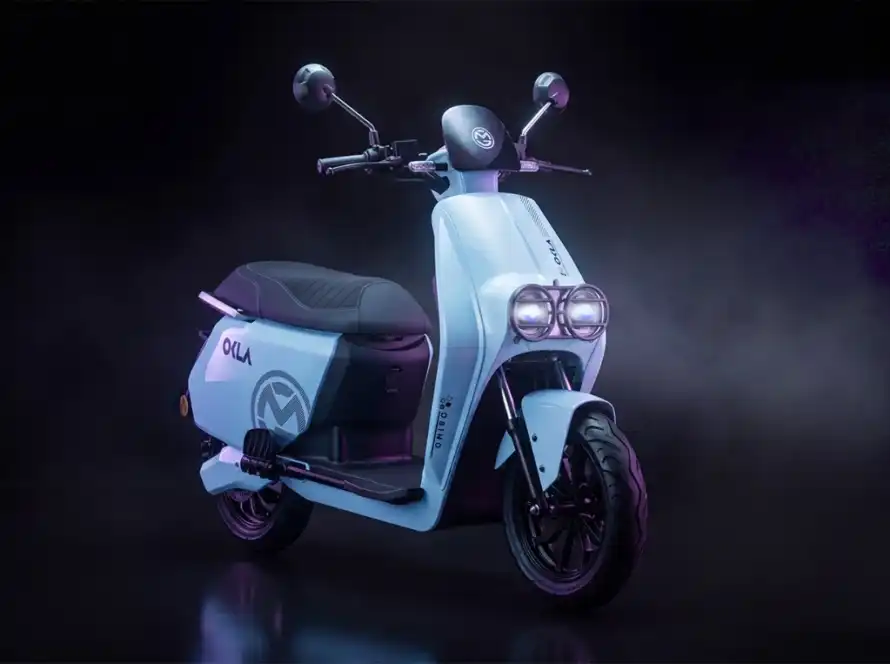
This becomes more noticeable in higher-performance electric scooters where stronger motor output is designed for faster urban riding. Models such as the OVEGA electric scooter are built for performance-focused riding, where battery usage can vary significantly depending on throttle behavior and road conditions.
Traffic Conditions Change Battery Usage Constantly
Heavy traffic is one of the most overlooked reasons behind fluctuating battery range.
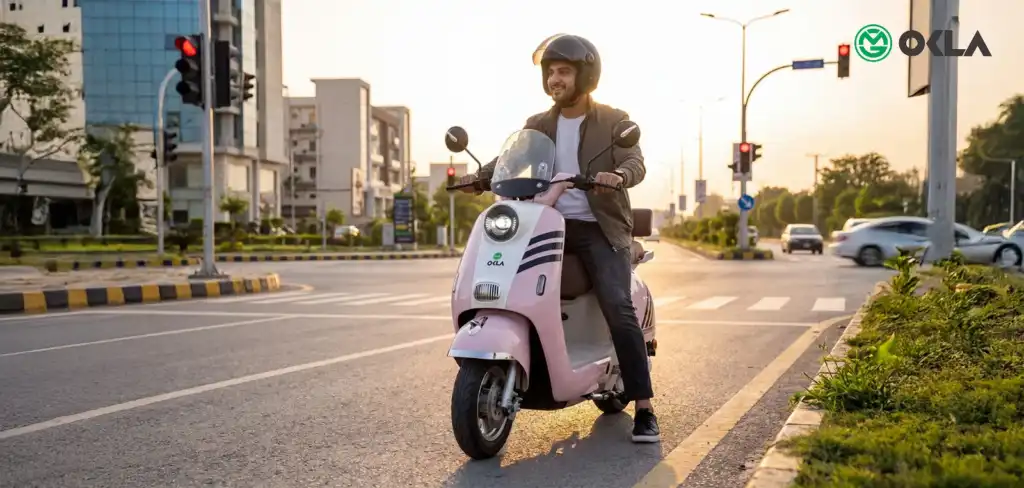
Frequent braking, stop-and-go movement, and constant acceleration consume more energy compared to riding smoothly on open roads. In densely populated urban areas, electric scooters rarely operate under perfectly stable conditions.
For city commuters, battery efficiency is often shaped more by traffic flow than by technical specifications alone.
This is one reason modern electric mobility solutions in Pakistan are increasingly designed around practical urban commuting rather than only maximum speed figures.
Weight Load and Passenger Usage
The motor works harder when additional weight is added to the scooter. Rider weight, passengers, luggage, and commercial delivery use all increase battery demand during travel.
Heavier loads usually affect:
- Acceleration efficiency
- Battery consumption
- Uphill riding performance
- Overall riding distance
This becomes especially noticeable during long daily commutes or continuous urban travel.
Battery Condition and Maintenance Habits
Battery efficiency gradually changes over time depending on how the scooter is maintained.
Things that may reduce range include:
- Irregular charging habits
- Poor tire pressure
- Brake resistance
- Inconsistent servicing
- Long-term battery wear
Small maintenance issues can slowly affect overall efficiency without riders realizing it immediately.
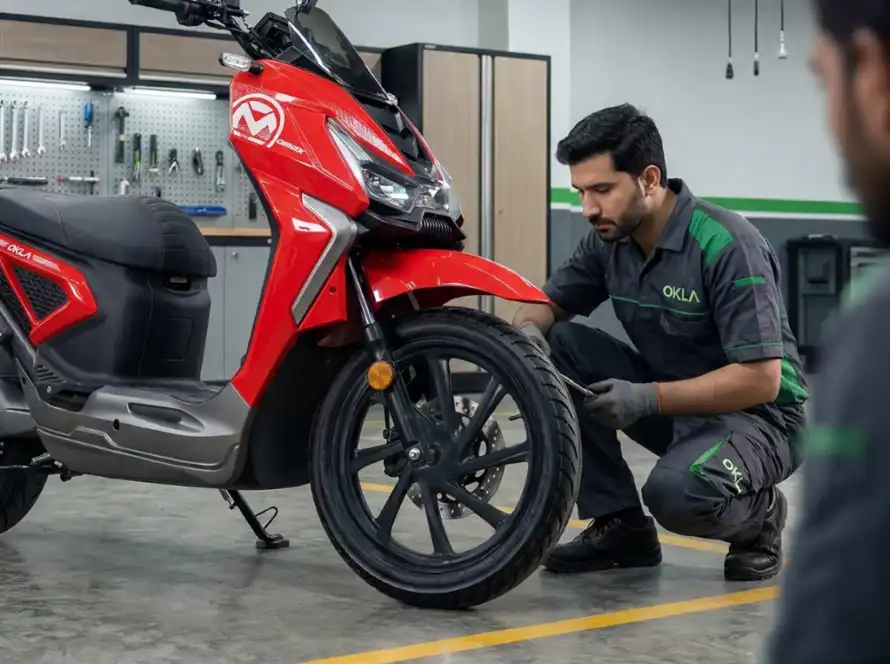
Long-term riding performance also depends on reliable servicing and battery support, which is why many EV buyers evaluate factors like warranty coverage and after-sales assistance before purchasing. The OKLA after-sales support system addresses areas related to servicing guidance and ownership support.
Weather and Road Conditions Also Play a Role
Environmental conditions can influence battery behavior during daily commuting.
Uneven roads, steep inclines, and extreme temperatures may affect:
- Energy usage
- Motor efficiency
- Charging consistency
- Overall riding stability
While modern battery systems are built for practical urban use, riding conditions still influence how efficiently stored power is consumed during travel.
Why Understanding Range Matters Before Buying
Many riders compare electric scooters based only on top speed or appearance, but range suitability is often far more important in everyday use.
A rider commuting short office routes may require a very different setup compared to:
- Delivery riders
- Students
- Long-distance commuters
- Multi-purpose urban users
Understanding real-world battery performance helps riders choose an EV scooter that matches their actual commuting behavior rather than relying only on advertised numbers.
FAQs
Why does electric scooter range vary in real-world usage?
Traffic, speed, rider weight, road conditions, and riding habits all affect how efficiently battery power is consumed during travel.
Does higher speed reduce battery efficiency?
Yes. Riding continuously at higher speeds usually increases battery consumption and can reduce total riding distance.
Can maintenance improve electric scooter range?
Yes. Proper servicing, healthy charging habits, and maintaining correct tire pressure can help improve efficiency and overall riding performance.