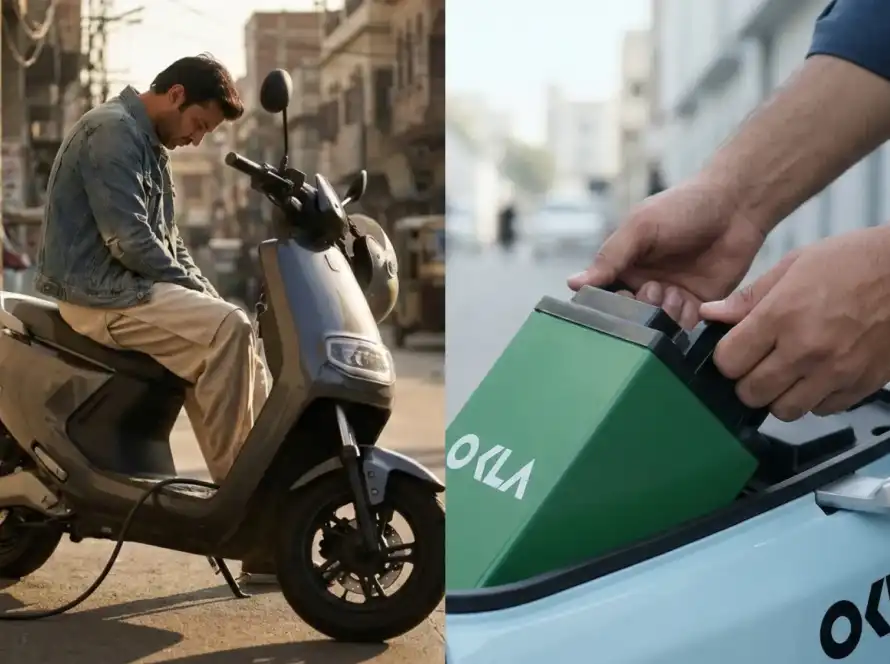

Electric scooters are becoming one of the most practical transportation options in Pakistan. With rising fuel prices and increasing urban traffic, many riders are now considering EV scooters for daily commuting.
But buying an electric scooter is different from buying a traditional petrol bike.
Battery performance, charging convenience, riding comfort, and long-term usability all play an important role in choosing the right EV for everyday use.
For first-time buyers especially, understanding the basics can help avoid confusion and make the decision much easier.
Understand Your Daily Commuting Needs
Before choosing any electric scooter, it is important to understand how the vehicle will actually be used.
Different riders have different commuting patterns.
Some use scooters for:
- university travel,
- office commuting,
- local errands,
- or short-distance city rides.
Others may need longer daily range or more frequent usage throughout the day.
Choosing the right scooter depends heavily on:
- daily travel distance,
- traffic conditions,
- charging accessibility,
- and rider comfort preferences.
Check Battery Type and Range
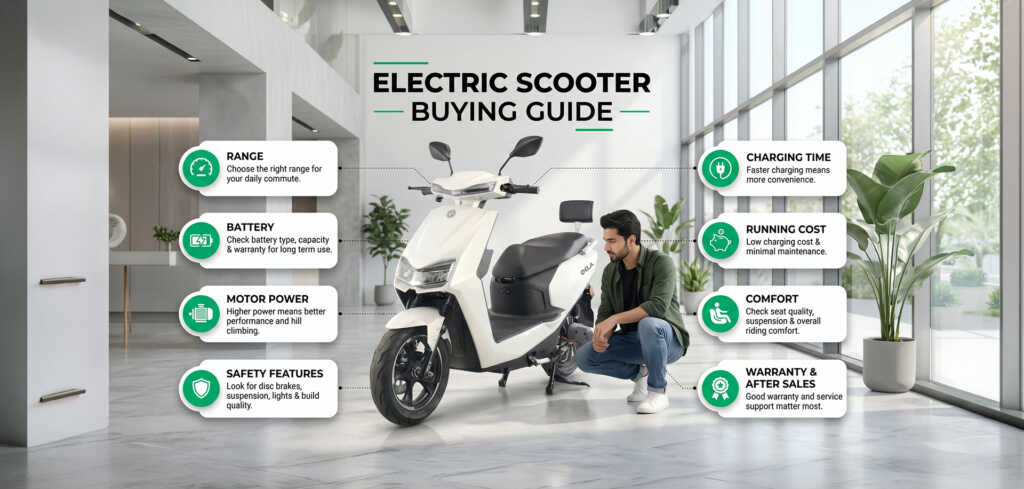
Battery technology is one of the most important parts of an electric scooter.
Modern lithium battery systems are generally preferred because they offer:
- better efficiency,
- longer lifespan,
- lighter weight,
- and improved charging performance.
Range is another key factor.
Instead of only focusing on maximum advertised numbers, riders should consider realistic daily commuting needs.
For most urban riders, a scooter designed around practical city travel is usually more useful than a high-performance setup that exceeds everyday requirements.
Comfort and Handling Matter More Than Speed
Many first-time buyers focus heavily on speed, but daily commuting comfort often becomes more important over time.
In traffic-heavy cities, riders benefit more from:
- smooth handling,
- comfortable seating,
- balanced weight,
- and easy maneuverability.
Electric scooters designed for urban mobility generally provide a more relaxed riding experience compared to heavier conventional bikes.
Experiencing the scooter personally through a test ride session can help riders better understand comfort, acceleration, and handling before making a final decision.
Check Service and Support Availability
After-sales support is one of the most overlooked parts of EV ownership.
Before purchasing an electric scooter, riders should always check:
- service access,
- support availability,
- warranty coverage,
- and physical support locations.
Reliable ownership support becomes especially important for first-time EV users.
Access to nearby OKLA experience centers can help riders feel more confident about maintenance, servicing, and product assistance.
Understand Booking and Purchase Policies
Many riders now prefer booking electric scooters online or through advance reservation systems.
Before confirming a purchase, it is important to review:
- booking policies,
- payment conditions,
- cancellation terms,
- and order procedures.
Understanding the booking terms and conditions beforehand helps avoid confusion during the purchase process.
Compare Long-Term Ownership Value
The cheapest scooter is not always the best long-term option.
Instead of focusing only on upfront cost, riders should also evaluate:
- maintenance requirements,
- charging costs,
- durability,
- comfort,
- and overall commuting practicality.
Electric scooters are becoming long-term mobility solutions rather than short-term trend purchases.
Ask Questions Before Buying
EV ownership is still relatively new for many riders in Pakistan.
Before purchasing, buyers should feel comfortable asking questions about:
- battery performance,
- charging,
- servicing,
- maintenance,
- and warranty support.
Connecting directly through the OKLA contact page can help clarify important details before making a final decision.