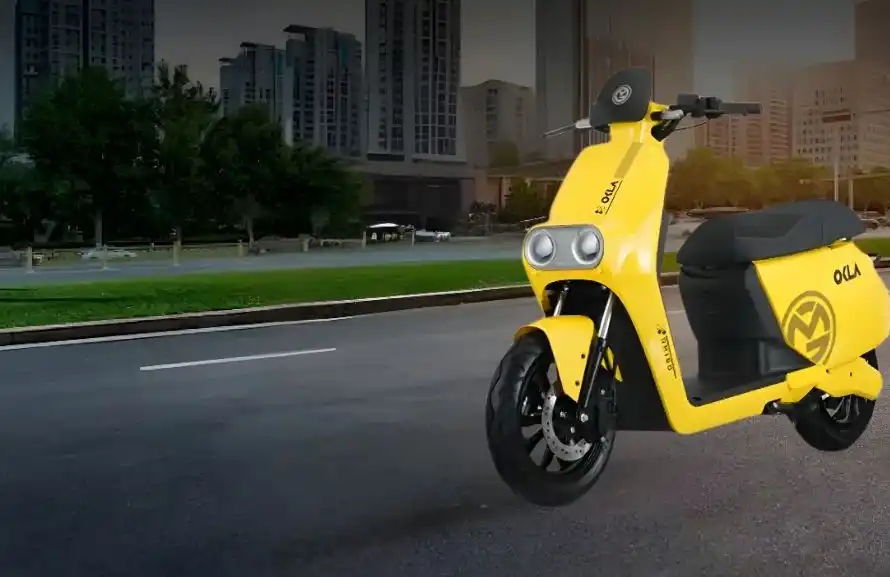

If your electric bike feels slower in June than it did in February, and the range seems to drop without warning, you are not imagining things. Pakistani summers, where temperatures regularly cross 45 degrees Celsius, change how every electrical component on your bike behaves. The battery delivers less usable capacity. The motor controller throttles power to protect itself. Your charging habits affect long term battery health more than they ever did in winter. Knowing exactly what happens, and how to respond to it, is the difference between protecting your investment and watching it degrade faster than it should.
What Happens Inside the Battery When Temperatures Climb
Lithium batteries are temperature sensitive devices. The ideal operating window for a lithium cell sits between 20 and 30 degrees Celsius. Once ambient temperatures push past 40 degrees, internal chemistry begins to shift in ways that gradually shorten battery life.
Faster Internal Degradation
At high temperatures, the chemical reactions inside the cells accelerate. Internal resistance climbs. The rate of self discharge increases. The cycle life of the battery shortens with every extreme heat exposure. A battery that should last four to five years can lose almost a year of useful life after one harsh summer of poor heat management.
The Symptoms You Will Notice First
Most riders only realise something is wrong when they start to notice the following changes over the course of one summer:
- Single charge range quietly drops from 90 kilometres to 70
- You start charging more often than you used to
- The battery feels noticeably warm to the touch even after light use
- Power feels weaker during sustained acceleration
Why Your Range Drops Faster in Summer
Range loss in Pakistani summers is the combined effect of several factors that all worsen together. The battery delivers less usable capacity at high temperatures. The controller throttles motor output to prevent overheating. The rider often demands more from the bike due to traffic congestion and frequent stops.
Habits also matter. Riders accelerate harder to reach destinations quickly. They sit in slow traffic for longer in baking sun. Each of these multiplies energy consumption. Combine this with reduced battery output, and a bike that comfortably delivered 100 kilometres in March may only manage 75 in June. None of this means the bike is faulty. It is heat doing what heat does.

How the Motor and Controller Respond to Heat
Brushless motors generate heat naturally during operation. In cooler weather, that heat dissipates quickly into surrounding air. In a Pakistani June, the air itself is already hot, leaving the motor with nowhere to shed its excess temperature.
Thermal Throttling Explained
The motor controller responds to excess heat by reducing peak power output to protect critical electronics. This is called thermal throttling. It is why your bike sometimes feels slow off the line after a long hot ride. The bike is protecting itself, not failing. Performance returns to normal once temperatures cool down.
The Hidden Damage of Charging in Hot Conditions
Charging is when lithium cells are most vulnerable. Pushing electricity into a hot battery accelerates internal degradation more than almost any other single behaviour. If you arrive home after a long ride with a hot battery and plug it in immediately, you are stacking heat from the ride on top of heat from the charging process. Surface temperatures across the Punjab and Sindh regions during peak summer hours routinely exceed air temperatures by 8 to 12 degrees, meaning the floor your bike sits on after a midday ride is often the hottest surface in your home.
Safer Charging Habits in Summer
- Wait 30 to 60 minutes after riding before connecting the charger
- Charge in the coolest part of the house, ideally indoors with airflow
- Never charge on a concrete floor that has been baking in the sun
- Avoid charging immediately after a long highway run when battery temperature is at its peak
Practical Habits That Protect Your Bike Every Summer
Park in shade whenever possible. Direct sunlight on the seat or battery casing can raise component temperatures by 10 to 15 degrees above ambient. Use a breathable cover rather than a thick plastic sheet, which traps heat instead of releasing it.
Avoid riding during the hottest hours when you can. Early mornings and late evenings are gentler on both rider and machine. Keep tyre pressure slightly higher in summer, since hot asphalt softens rubber and increases rolling resistance, silently draining battery range. Riders who rely on lithium iron phosphate cells, like those found in the long range OKT lithium commuter, tend to see less seasonal performance swing than older lithium ion designs, but smart habits still matter more than chemistry alone.
How Summer Damage Connects to Your Warranty
Heat related battery degradation is one of the most common reasons riders eventually need replacement cells outside the warranty window. Most manufacturer warranties cover genuine manufacturing defects but exclude damage caused by clearly poor charging habits. Understanding what the OKLA warranty covers and what falls outside normal wear before your first summer of ownership saves you from disputes later, and it tells you exactly which habits matter most.
FAQS
Does extreme heat permanently damage an electric bike battery?
Yes, repeated exposure above 40 degrees gradually shortens lithium battery lifespan.
Should I charge my bike right after riding in summer heat?
No, wait 30 to 60 minutes for the battery to cool first.
Why does my electric bike feel slower on hot afternoons?
Thermal throttling reduces motor power to protect the controller from heat damage.