


In the busy urban centers of Pakistan, coming from the spirited streets of Lahore to the megacity of Karachi, it is becoming increasingly difficult to breathe. Smog hangs heavily overhead, and the grey haze has become a part of our daily life. A major part of the problem lies in plain sight: our vehicles. The transport sector is responsible for around 31% of Pakistan’s total carbon emissions, making it one of the most significant contributors to the pollution that hangs over our cities.
This is slowly becoming a transformational period where smart, sustainable, and affordable electric mobility solutions are becoming a reality. And it isn’t just replacing petrol with a plug: it’s a leap forward towards a smart city electric mobility era in Pakistan, one where we can ride cleaner and live smarter.
In this blog, we will explore how the revolution of EVs is breaking through in Pakistan, how smart city electric mobility in Pakistan is becoming a reality, how clean air through electric mobility is within reach, and how OKLA’s experience center in Lahore is driving the future of affordable EV bikes in Pakistan and reducing polluted smog in Pakistan.
What is Smog, and Why Transitioning to EVs is Important?
Air pollution is much more than a nuisance; it is a public health emergency. Air pollution is not just an irritant; it is a public health crisis. Air Quality Index (AQI) readings in cities such as Lahore have exceeded the levels classified as hazardous.
In Punjab, transportation is estimated to be responsible for 43% of emissions into the air in cities.
Given this backdrop, an electric transportation system, with zero tailpipe emissions, is an elemental pillar of a sustainable urban transportation strategy that is emerging in Pakistan. The government’s commitment to supporting electric vehicles includes aspirations to have 2.2 million EVs on the road in Pakistan by 2030, demonstrating a commitment to clean air and modernizing mobility.
Transitioning to electric vehicles is no longer optional; it is core to the green transport revolution needed in Pakistan.
Emerging Policies and Infrastructure for Electric Vehicles
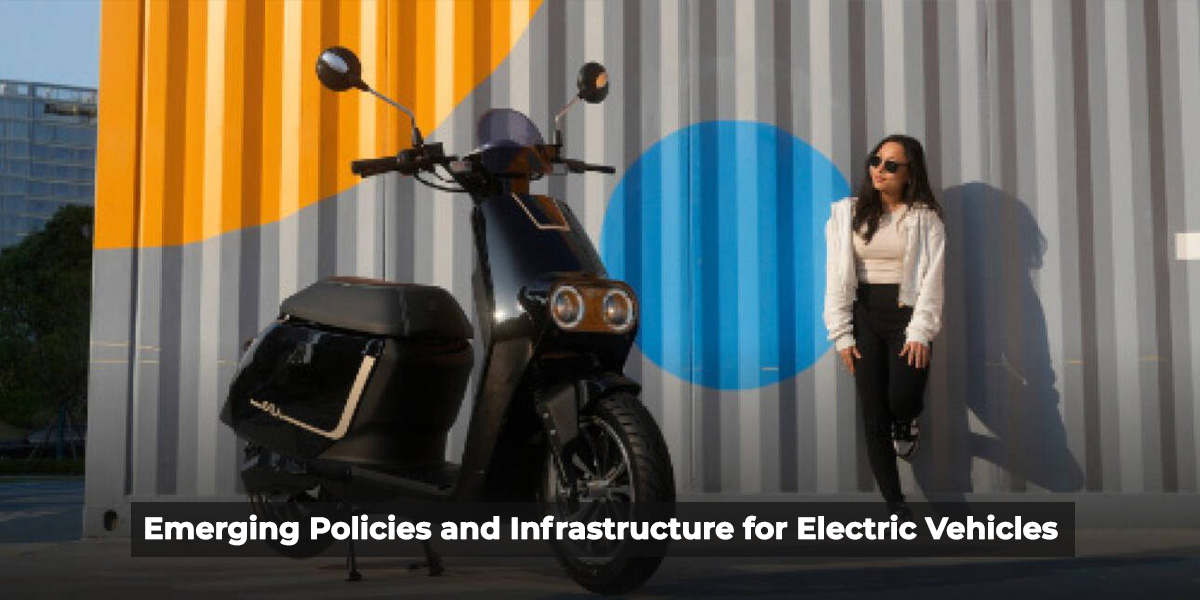
Building a future of smart mobility in Pakistan requires more than EVs; it also needs support systems. Under the upcoming auto policy and New Electric Vehicle (NEV) policy 2025-2030, Pakistan expects strong incentives (reduced GST, reduced import duties, and new infrastructure) as an example of best practice.
At the same time, electric bike technology is drawing lots of attention in Pakistan. Two- and three-wheel vehicles contribute significantly to vehicle emissions in cities, and these vehicles will be the initial focus for electrification.
Infrastructure & Adoption Challenges
However, structural challenges remain. The network of electric vehicle charging stations in Pakistan is currently limited, battery and charging standards are not comprehensive, and financing for buyers is lacking. The solution to this is necessary in order to promote a smart transport lifestyle for Lahore, Karachi, Islamabad, and beyond.
It is important to integrate electric mobility into urban planning, digital transport planning in Pakistan, mobility-as-a-service, and ride-sharing electrification in Pakistan to create smart cities, where mobility is not only clean but also smart.
In these cities, clean air initiatives will go hand-in-hand with efficient transport networks, providing sustainable city transport in Pakistan for both people and the planet.
How Electric Mobility Actually Reduces Smog

Tailpipe Emissions to Zero Emission Transport
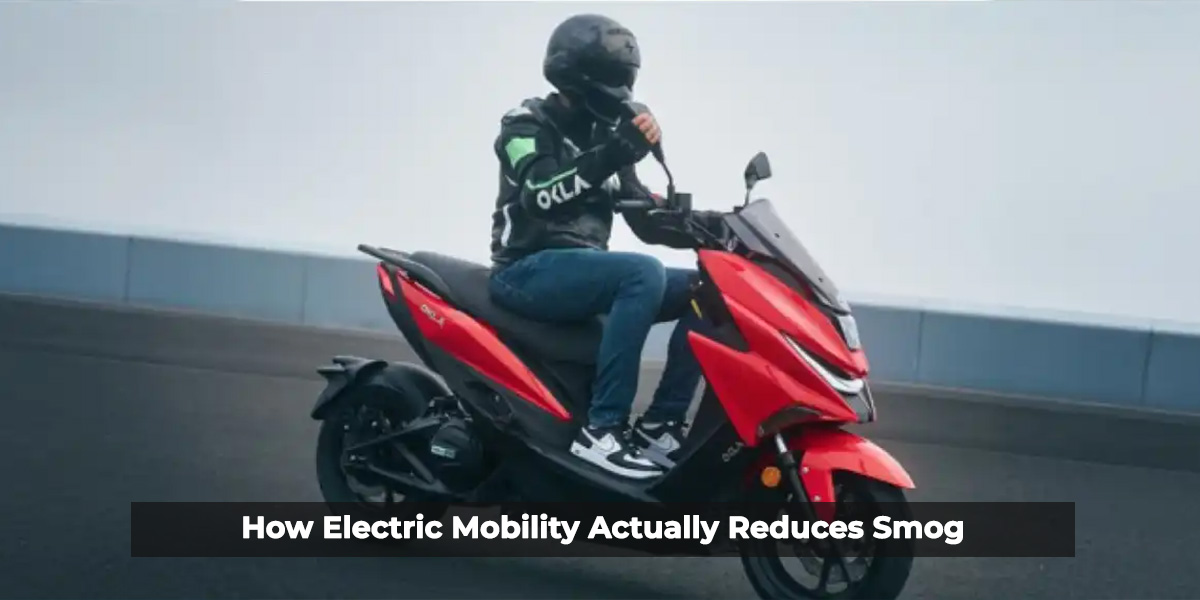
The most significant benefit: Electric vehicles produce zero tailpipe emissions; thereby, vehicles powered by the grid (increasingly clean) are no longer directly pumping CO₂, NOₓ, or PM2.5 into the air surrounding our cities.
In high-density cities like Lahore or Karachi, replacing thousands and thousands of petrol-powered bikes, motorbikes, rickshaws, and small cars with affordable EV bikes in Pakistan or EV two-wheelers, the local pollution load would be drastically reduced.
Economic & Environmental Multiplier
Switching to Electric Vehicles (EVs) offers more than just a better air quality. It helps to reduce fuel imports (and thus foreign exchange costs), lowers operating costs for riders, and supports a clean energy economy. Pakistan’s import bill was a significant motivator in many reports for changing to EVs.
Governmental Impact in Pakistan
With the government pushing large-scale rollout of EVs (2.2 million vehicles by 2030) with the focus of reducing smog, the pathway is there.
In brief, electric mobility is a direct solution to the problem of smog pollution and is part of the smart city electric mobility theme for Pakistan.
The Role of OKLA in the EV Revolution
Making EV Bikes Affordable in Pakistan
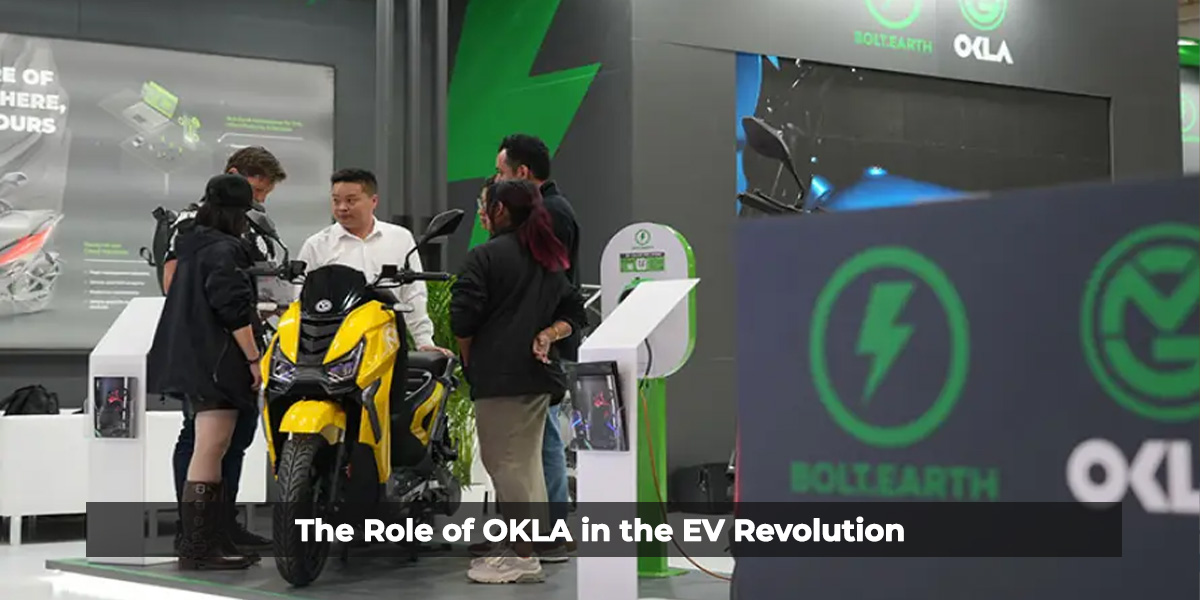
At the center of this change is the brand OKLA. By producing and bringing to market locally tuned electric bikes using graphene-enhanced batteries, smart connectivity, and comfort, OKLA is transforming how Pakistan rides. Regardless of whether you’re in Lahore, commuting to work, in Karachi, riding along the sea, or in Islamabad, hopping between meetings, OKLA has a viable EV option.
With cost-conscious models, OKLA is lowering the barrier to entry for the broader community at large to be able to afford an electric bike, and not just the early adopters.
The OKLA Experience Center Lahore
The OKLA experience center in Lahore invites riders to see, touch, ride, and understand the future of electric mobility. This experience center is where smart city electric mobility in Pakistan becomes a reality. From battery swapping concepts to fast-charging EVs, Lahore, OKLA, provides glimpses into what electric modes of transport can resemble in our daily lives.
By offering demonstration rides, as well as customer support and information on eco-friendly commuting habits in Pakistan, OKLA strives to anchor the transition to clean air with electric mobility.
Why It’s Important to Fight the Smog with OKLA
Every OKLA bike that you see on the roads IS one less petrol-burning ride. Every charge generated by a graphene battery means one less smoky tailpipe ride. Every person who switches to an EV means they are signaling that their mindset has shifted. One rider at a time, OKLA isn’t just selling bicycles; they are ushering in the green transport revolution Pakistan needs.
Benefits of Switching to Electric Bikes (and EVs)
This is why both riders and city planners should buy into EVs:
- Lower operating costs: The savings between petrol vs. EV are real costs; an EV has fewer moving parts, less maintenance, and no electrical costs.
- Eco-friendly commuting habits in Pakistan: Every ride is a step toward cleaner air and reduced emissions.
- Enhanced urban mobility: Electric bikes are directly linked to smart city planning, ride sharing, and mobility-as-a-service models.
- Government subsidies for EVs in Pakistan 2026: Along with financing & zonal incentives, subsidies will enable every person to own an EV even if they do not have the means to do so currently.
- Readiness of the transport system for growth: With the charging station network countrywide
Switching to electric bikes isn’t a matter of personal convenience; it’s a lever for change in the city.
EV Cost Comparison in Pakistan: Affordability, Value, Until then
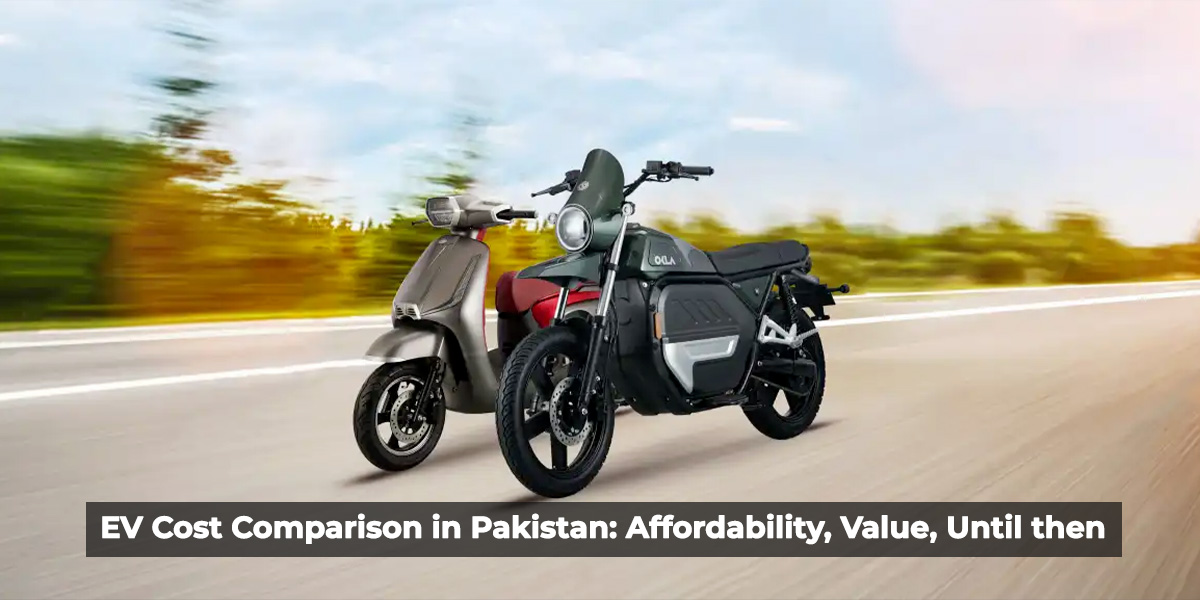
When you do the costs over time, EVs win out in the end. Initial cost may be higher, but,
| Benefits | Explanation |
|---|---|
| Fuel economy | There is no fuel cost for E-bikes. |
| Maintenance | No replacement of impediments (oil, filters); maintenance is for less complex systems. |
| Incentives | Tax breaks and lower duties help ease initial entry prices. |
| Long-term value | As infrastructure develops, EVs will retain value differently (more) than petrol bikes. |
When you have OKLA bikes focused on offering an affordable EV option designed and constructed, and this includes a purpose-designed design with local social immunity and economic affordability built in, the financial logic becomes touchable.
Connecting Mobility to Urban Planning
Smart-city electric mobility in Pakistan is not only about the vehicle; it is about how the vehicle interacts/links with the city.
Charging infrastructure in Pakistan, public transportation electrification in Pakistan, and integrated mobility systems will all play a part. Think about this: Your OKLA electric bike docked at a shared dock, linking you to an electrified metro or bus; ride-sharing electrification proudly happens throughout Pakistan.
Public Transport Electrification & Sustainable Cities Initiative in Pakistan
While many argue that private EVs and bikes are important, we focus here on public transport electrification in Pakistan, which creates a multiplier effect. With pilot electric buses occurring in Lahore, Karachi, and Islamabad, alongside national EV policy support, this foundation is being built.
From digital transport planning in Pakistan to mobility-as-a-service platforms, a smart mobility future in Pakistan is becoming a reality. When bikes, cars, buses, and shared fleets are electrified and integrated, then cities are cleaner and more efficient.
Conclusion
The EV revolution in Pakistan has embarked, from the pollution-filled skies of our cities to smart urban mobility. Smart city electric mobility in Pakistan is not a dream; it is fast becoming a reality through policy, innovation, and companies like OKLA. When people choose electric bikes, they are doing much more than improving their commute; they are helping to create cleaner air, healthier cities, and a sustainable future. The move from pollution from smog to smart living in our cities starts now. With OKLA, the change is real, attainable, and affordable.
Visit the OKLA Experience Center in Lahore today, take the opportunity to test ride our electric bikes, talk to our staff about battery-swap options, and see how you can get involved in the EV revolution Pakistan is eager to embrace. Commuting smarter, cleaner, and more affordably is now a possibility with OKLA.